

 English
 Deutsch



Zögern Sie nicht, eine Nachricht zu senden
Suchen
Aktueller Beitrag
Newsletter
Round vs Rectangular Outdoor Mats: Which Shape Fits Different Spaces
Outdoor spaces are becoming more varied. A small balcony can serve as a place for morning coffee. A patio may become a dining area, a resting corner, or a path between indoor and outdoor spaces. An entrance can also be part of the overall look of a home or commercial setting.
With these changes, outdoor mats are no longer viewed only as practical floor coverings. Their shape can influence how a space feels and how different areas are visually connected.
Round and rectangular outdoor mats are two common choices. They serve similar basic purposes, but they create different visual effects. A rectangular mat often follows the lines of walls, doors, furniture, and pathways. A round mat introduces softer curves and can draw attention toward a particular area.
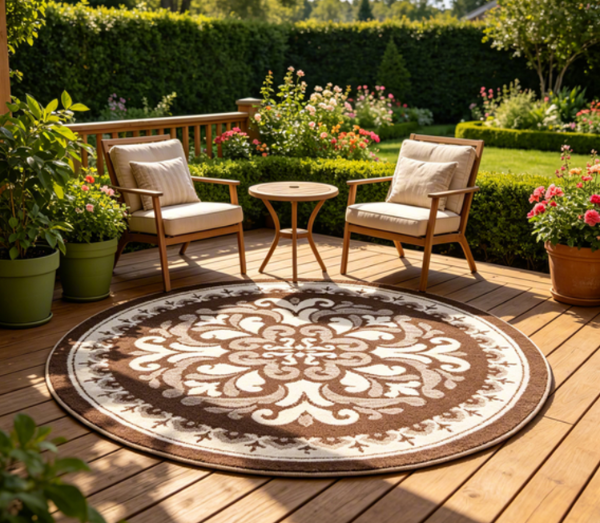
The choice is not simply about which shape looks better. It depends on the space, furniture arrangement, movement, cleaning needs, and the role the mat is expected to play.
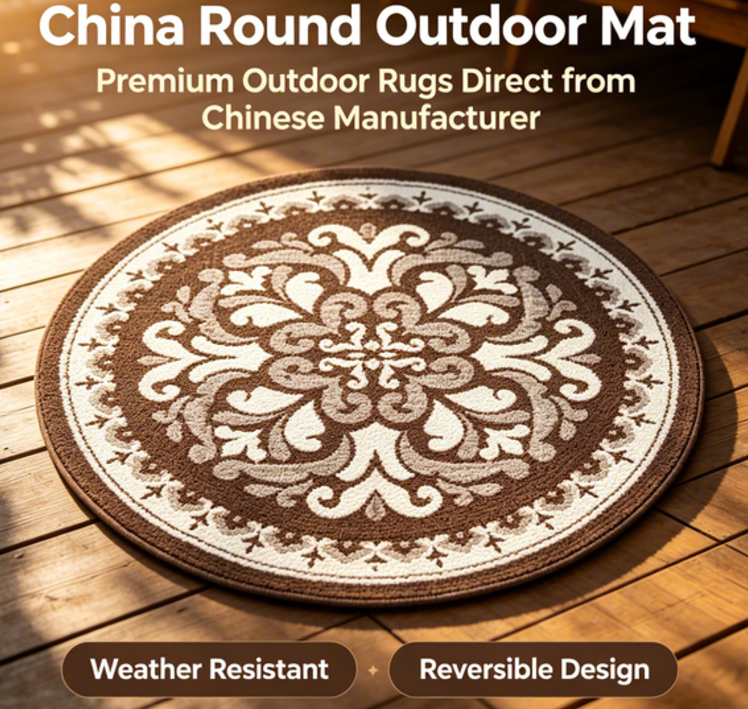
For buyers exploring options such as a China Round Outdoor Mat , understanding the difference between shapes can make product selection more practical. The right choice often comes from matching the mat with the surrounding environment rather than treating shape as an isolated feature.
Why Does Mat Shape Matter in Outdoor Spaces?
Shape affects how an object relates to the space around it. This is easy to notice outdoors because patios, balconies, entrances, and garden areas often have strong visual boundaries.
Rectangular spaces naturally contain straight edges. Walls meet at corners. Doors create vertical lines. Outdoor furniture is commonly arranged around tables or along walls. A rectangular mat can follow these existing lines, making the arrangement feel organized.
A round mat works differently. Its curved edge breaks up straight lines and can create a softer visual transition. It may be useful when the surrounding space already contains curved furniture, plants, decorative objects, or irregular layouts.
The difference can also affect attention. A rectangular mat may guide the eye along a direction. A round mat tends to create a visual center. This makes each shape useful for different purposes.
The choice can be considered through several simple questions:
- What is the main shape of the space? A narrow entrance and an open seating area may need different approaches.
- How is furniture arranged? A mat placed beneath or near furniture should relate naturally to the arrangement.
- Is the mat defining a zone or guiding movement? A defined sitting area may benefit from one shape, while a walkway may suit another.
- What visual feeling should the area have? Straight edges can feel structured, while curves can create a more relaxed appearance.
These considerations are useful for both residential and commercial outdoor environments. They also help buyers compare products without focusing only on appearance.
When Does a Rectangular Outdoor Mat Make More Sense?
Rectangular mats are naturally suited to areas with straight boundaries. An entrance is a common example. The mat can sit in front of a door and follow the direction of the doorway without creating an unusual visual break.
They can also work well in longer outdoor areas. A balcony, covered walkway, or narrow patio may have a clear direction from one point to another. A rectangular shape can follow that direction and make the floor arrangement feel connected.
Furniture placement is another important factor. Outdoor tables and chairs are often arranged in linear or rectangular patterns. A rectangular mat can sit beneath or around this arrangement without competing strongly with the furniture.
This does not mean that rectangular mats are limited to formal spaces. Their appearance can change significantly depending on color, pattern, texture, and surrounding decoration. A simple rectangular mat can look casual in a garden setting, while a patterned design can become part of a more decorative outdoor arrangement.
Rectangular outdoor mats may be particularly suitable when buyers want to:
- Follow the shape of a doorway or entrance.
- Create a clear visual boundary around furniture.
- Fit along a longer outdoor area.
- Maintain a structured appearance.
- Coordinate with straight-edged outdoor furniture.
The practical advantage is often simplicity. When the surrounding environment already has strong straight lines, a rectangular mat can fit into the arrangement without requiring major changes.
Could a Round Outdoor Mat Create a Different Outdoor Atmosphere?
Round outdoor mats introduce a different visual language. Instead of repeating straight lines, they add a curved element to the space.
This can be useful in areas where the furniture or decoration feels informal. A small outdoor table with curved chairs, for example, may look more connected to a round mat than to a strongly rectangular one.
Round mats can also help create a visual focus. When placed beneath a small table, near a seating area, or within a garden corner, the circular outline can make that location feel like a defined zone.
This effect can be useful in open spaces. Without clear walls or partitions, outdoor areas sometimes need visual cues to show where one activity ends and another begins. A round mat can provide such a cue without physically separating the space.
The shape can also soften an environment dominated by straight structures. Outdoor architecture often includes walls, fences, paving lines, and furniture with angular forms. A curved mat introduces contrast without requiring a major change to the overall design.
For buyers considering a China Round Outdoor Mat , the key question is not simply whether the circular shape looks attractive. It is whether the shape supports the intended use and fits naturally with the surrounding objects.
How Do Round and Rectangular Mats Compare in Different Spaces?
Different outdoor areas create different requirements. A mat that works well near a garden table may not be the natural choice for an entrance.
The following comparison provides a simple way to think about the two shapes:
| Outdoor Space | Round Outdoor Mat | Rectangular Outdoor Mat |
|---|---|---|
| Entry area | Can create a softer decorative point | Fits naturally with doorways |
| Balcony | Works well with small seating zones | Follows long or narrow layouts |
| Patio | Helps define a central area | Works with structured furniture arrangements |
| Garden corner | Adds a decorative focal point | Can create a clear activity zone |
| Outdoor dining area | Suitable for compact, centered arrangements | Works well with longer table layouts |
| Walkway | Less focused on direction | Naturally follows movement paths |
| Open outdoor area | Helps establish a visual center | Can organize space along straight lines |
This comparison is not a rulebook. Outdoor spaces vary widely, and the same shape can produce different results depending on placement.
A large open patio, for example, may contain several different zones. A rectangular mat could define a dining area, while a round mat could highlight a nearby seating corner. Using different shapes does not necessarily create visual conflict. When selected carefully, they can help distinguish separate functions.
The important point is to consider the mat as part of the entire arrangement. Looking at the product alone may make the decision harder. Looking at the surrounding furniture, boundaries, and movement patterns usually provides more useful clues.
What Role Does Furniture Play in Choosing the Shape?
Furniture is one of the strongest visual elements in an outdoor space. The relationship between furniture and mat shape can affect whether the arrangement feels connected or disconnected.
Rectangular tables often create a strong horizontal and vertical structure. A rectangular mat can repeat this structure and create a more unified appearance. It may also provide a clear base for chairs arranged around the table.
Round tables create a different relationship. A round mat beneath or around a circular table can reinforce the central arrangement. The repeated curves can make the space feel visually balanced.
However, matching every shape is not necessary. Contrast can also be useful. A round mat under angular furniture may soften the overall appearance. A rectangular mat around rounded furniture may provide structure and definition.
Furniture size and placement matter as well. A mat that is visually isolated from nearby furniture can appear disconnected regardless of its shape. A well-positioned mat should have a clear relationship with the activity taking place around it.
For commercial outdoor areas, this consideration can become even more important. Seating arrangements, entrances, waiting areas, and display zones may all require different visual treatments. Shape can help communicate these differences without adding physical barriers.
Does Material Choice Matter as Much as Shape?
Shape is visible immediately, but the material affects how the mat behaves during everyday use. Outdoor mats may encounter dust, moisture, sunlight, soil, and frequent foot traffic.
A suitable material should match the environment in which the mat will be placed. An exposed outdoor area may create different demands from a covered balcony. A garden setting may involve more soil and plant debris than an enclosed entrance.
Cleaning is another practical consideration. Outdoor mats collect dirt because they are placed close to the source of it. A design that looks attractive but is difficult to maintain may become less convenient over time.
Buyers can consider several material-related questions:
- Is the mat easy to clean?
- Does the surface suit the expected type of use?
- Is the mat intended for a covered or exposed location?
- Does the material fit the surrounding outdoor environment?
- Can the mat be handled and stored conveniently when needed?
These questions apply to both round and rectangular products. Shape alone cannot determine whether a mat is appropriate.
For manufacturers and suppliers, this also creates room for product variety. Different materials, surface treatments, patterns, and construction approaches can be combined with both shapes. This allows buyers to focus on the needs of the space rather than limiting themselves to a single design category.
How Should Buyers Choose Between Round and Rectangular Outdoor Mats?
The decision becomes easier when buyers begin with the location rather than the product. Instead of asking which shape is generally preferable, it is more useful to ask what the mat needs to do in that particular area.
A simple selection process can help:
- Look at the surrounding lines. Check the shape of walls, doors, furniture, paving, and nearby structures. A rectangular environment may naturally support a rectangular mat, while a more open setting may allow greater flexibility.
- Identify the main activity. Consider whether the mat will support an entrance, seating area, dining space, decorative corner, or walking route. Its role can influence the suitable shape.
- Consider the visual center. If the goal is to draw attention toward a small area, a round mat may create a stronger focal effect. If the goal is to organize a longer area, a rectangular form may feel more natural.
- Think about maintenance. Outdoor use means exposure to dirt and changing conditions. Cleaning and handling should be considered alongside appearance.
- Check the surrounding decoration. Patterns, colors, furniture, plants, and other outdoor accessories all contribute to the final look. The mat should work with these elements rather than appear unrelated.
This approach is useful for individual consumers as well as businesses sourcing outdoor mats for different applications. It also gives buyers a clearer way to compare products from different suppliers.
Could Round and Rectangular Outdoor Mats Serve Different Market Needs?
The growing variety of outdoor living spaces is creating room for both shapes. There is no need for one design to replace the other.
Round outdoor mats can appeal to buyers who want to introduce softer lines or create a central decorative area. They can be considered for patios, balconies, garden corners, and compact seating arrangements.
Rectangular mats remain practical for spaces where straight lines and directional movement dominate. Entrances, pathways, longer balconies, and structured furniture layouts can naturally accommodate this shape.
For suppliers, offering both options can also respond to different customer preferences. A buyer furnishing several outdoor areas may need more than one shape within the same project. Residential customers may choose based on decoration, while commercial buyers may place more attention on layout and daily use.
The market is therefore not simply moving from rectangular mats toward round ones. Instead, outdoor mat selection is becoming more connected to space planning. Shape is one part of a broader decision that includes material, appearance, placement, maintenance, and intended use.
This shift also gives the China Round Outdoor Mat category a wider range of possible applications. Buyers can consider circular designs not only as decorative products, but also as tools for organizing outdoor areas and creating visual separation between different activities.
As outdoor spaces continue to combine practical and decorative functions, the question is less about whether round or rectangular mats are better. It is about which shape makes more sense for the space being planned, the people using it, and the way the area is expected to function.
UNSERE PRODUKTE
Empfohlene Produkte
-
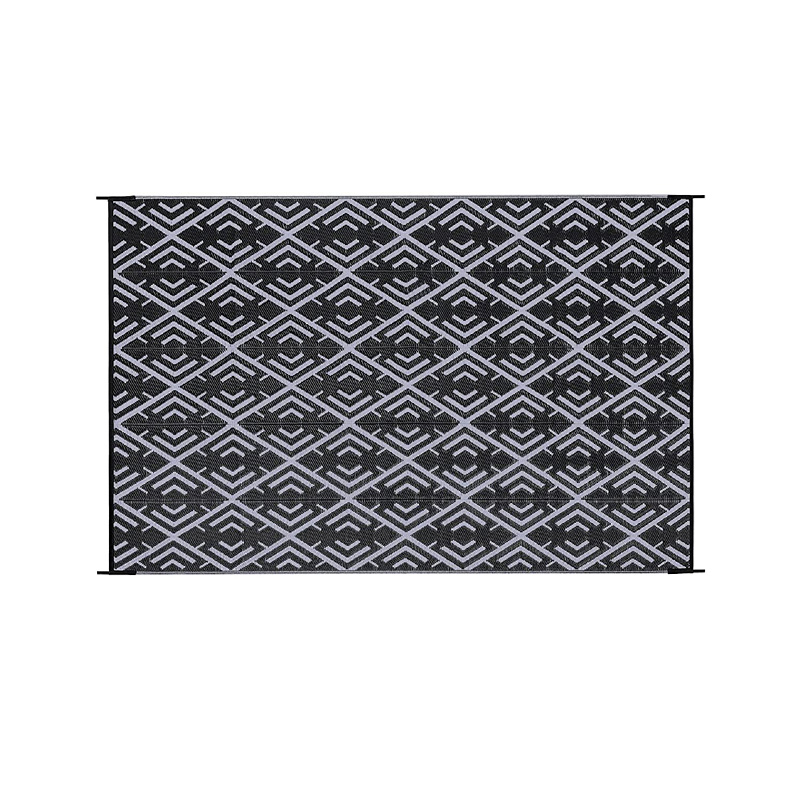
Leichte Wohnmobilmatte aus Polypropylen-Kunststoff für den Außenbereich
Merkmale Witterungsbeständige Polypropylenmatte UV-stabilisiert, um ein Ausbleichen zu verh...
-
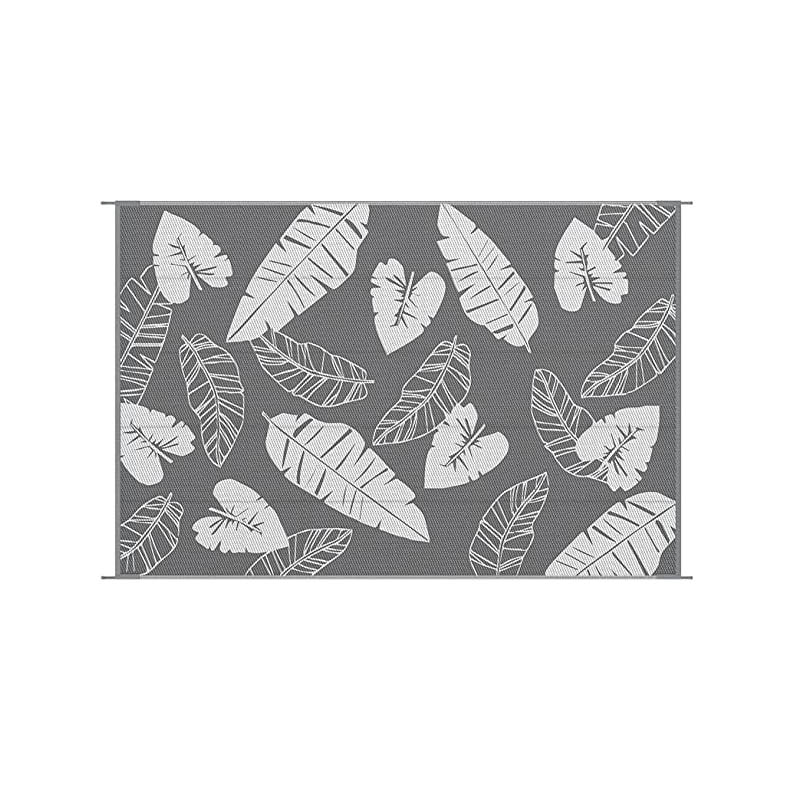
Großer, faltbarer, UV-beständiger RV-Teppich aus PP-Webstroh
Merkmale Weich und langlebig: Hergestellt aus atmungsaktivem Polypropylenmaterial, das für die...
-

Recycelte feuchtigkeitsbeständige karierte Outdoor-Matte für Wohnmobile
Merkmale Strapazierfähig, hochwertig und langlebig: Unsere strapazierfähigen, wendbaren Wohnmo...
-
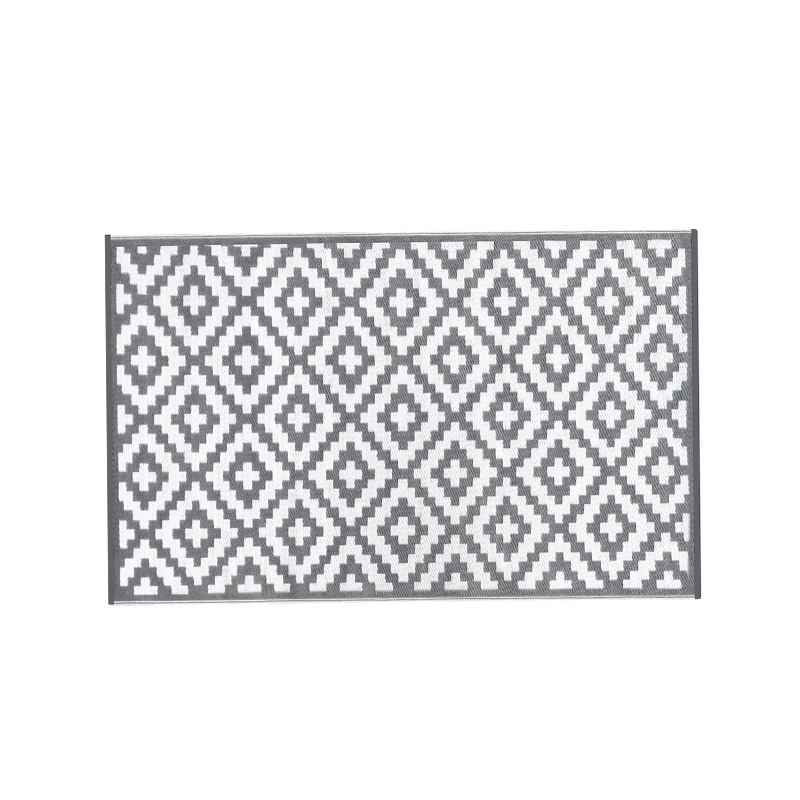
UV-beständiger Terrassen-Außenteppich
Merkmale Reversible, schmutzabweisende Strohteppiche: Der Outdoor-Teppich für die Terrassenrei...
-
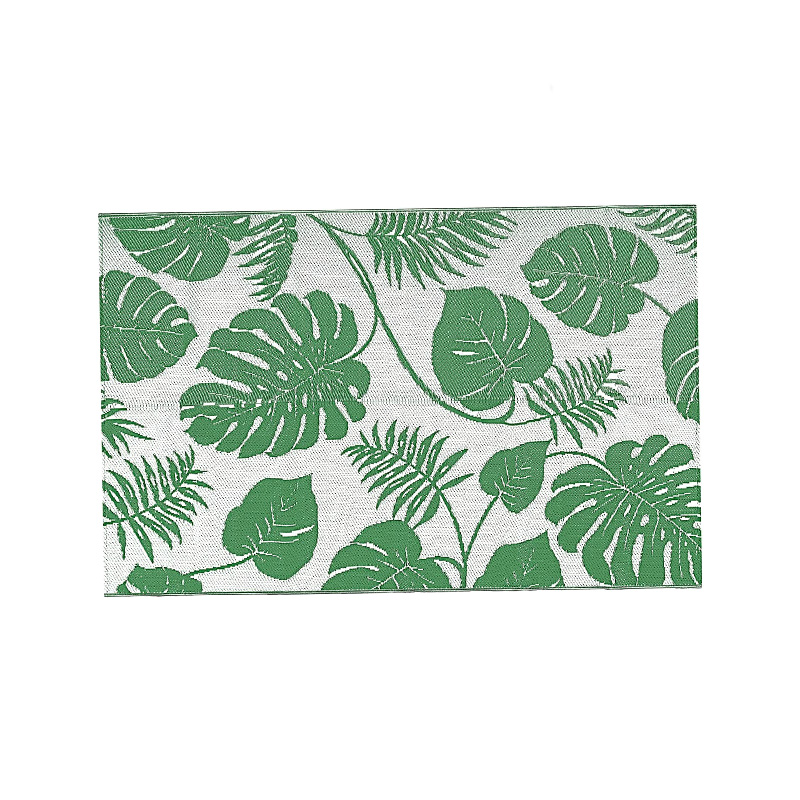
Strapazierfähige Outdoor-Polypropylen-Matte für die Terrasse
Merkmale Wendbarer Outdoor-Teppich: Der Outdoor-Teppich aus Kunststoffstroh mit zeitlosem Meda...
-
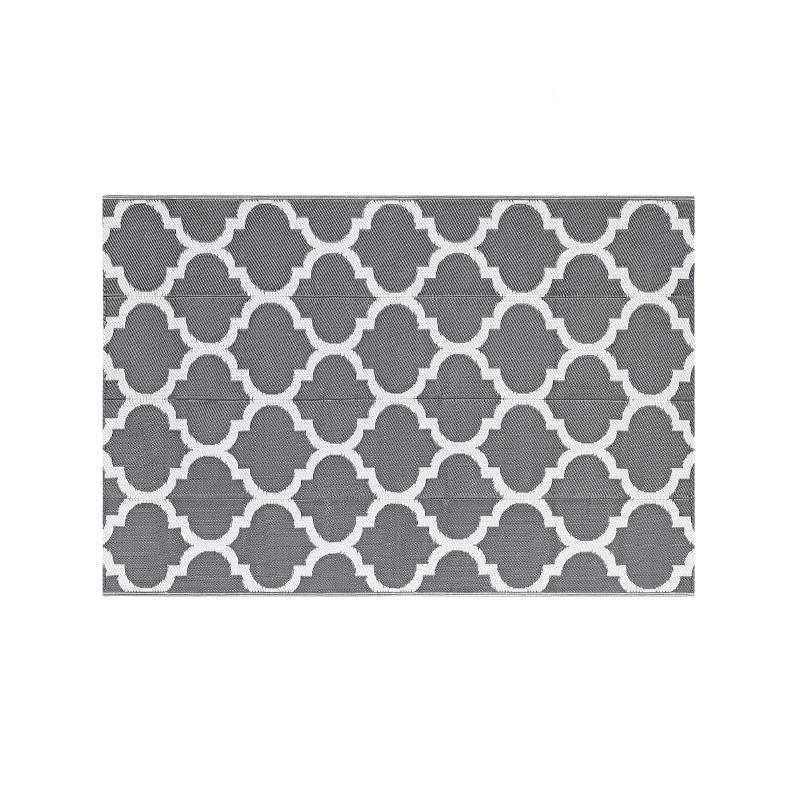
Strohmatte aus recyceltem Kunststoff für den Außenbereich
Merkmale Wendbare Outdoor-Teppiche: Sie lassen sich einfach auf der Terrasse, dem Deck, am Str...
-
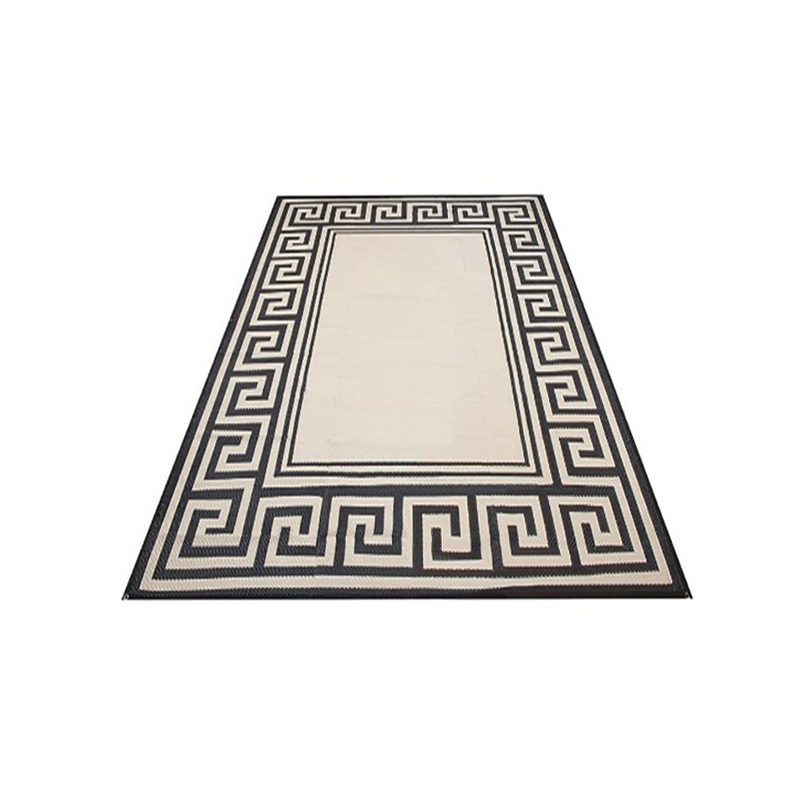
BSCI-Prüfung PP-Stroh-Camping-Outdoor-Teppich
Beschreibung Wir stellen die BSCI Audit PP Straw Camping Outdoor Rug von AIYISI vor, einem Her...
-
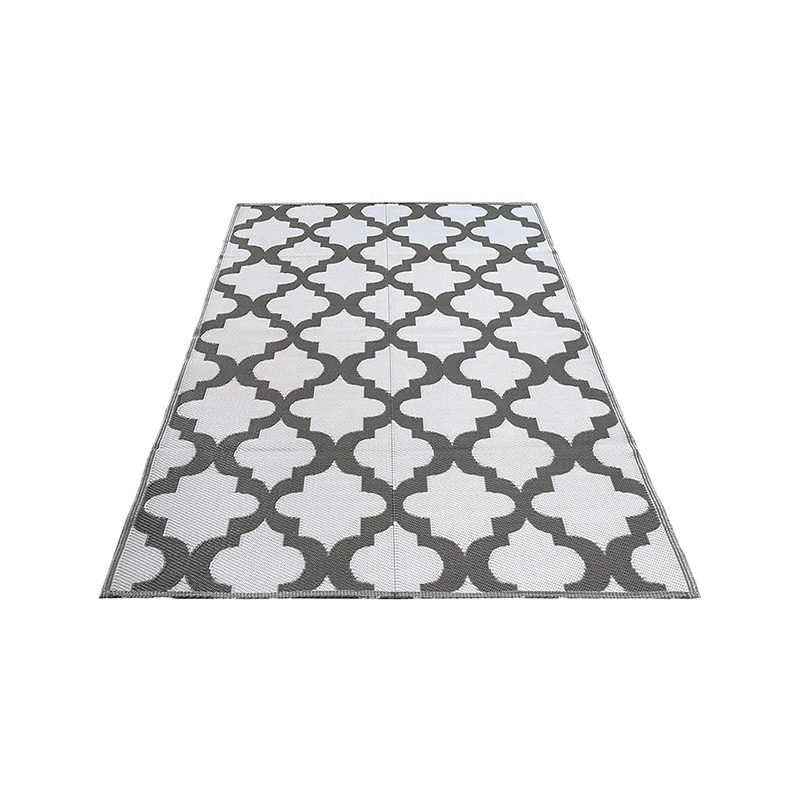
Kunststoffmatten, günstige PP-gewebte, recycelte Campingmatten
Beschreibung Bei AIYISI sind wir stolz darauf, hochwertige Outdoor-Produkte anzubieten, die au...

- FAX : 86-0576-83352177
- Email : [email protected]
- Telefon : +86-0576-83207588
- Hinzufügen: No.10 Yongan Road, Industriepark Binhai, Kreis Sanmen, Stadt Taizhou, Zhejiang, China.
Bleiben Sie mit uns in Kontakt
Wenn Sie an unseren Teppichen interessiert sind, füllen Sie bitte das Formular aus Füllen Sie das Formular aus, um mit uns Kontakt aufzunehmen. Wir werden uns umgehend bei Ihnen melden wie möglich.
 Facebook
 Youtube
 Twitter
 Instagram
 Urheberrechte © Taizhou Aiyisi Freizeitprodukte Co., Ltd. Alle Rechte vorbehalten.
